Table Of Content
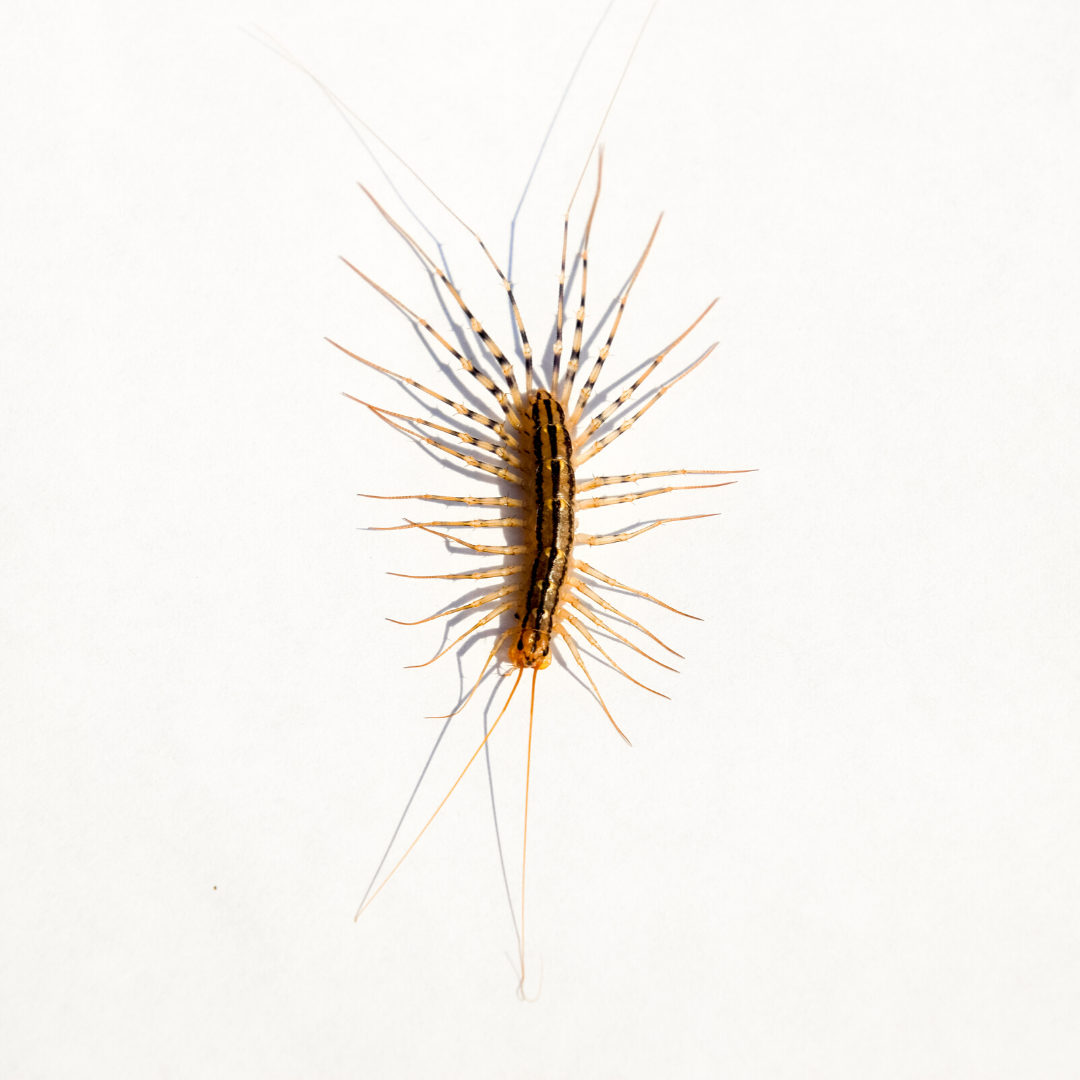
Giant centipedes have a reputation for sending people to the hospital. Thankfully, that’s not the case with the standard house centipedes you see scurrying around in the dark. The house centipede (Scutigera coleoptrata) is the most common centipede found in the U.S. These centipedes are sometimes referred to as “hundred-leggers,” due to their many pairs of legs. Their bodies are divided into 15 segments, each with a pair of long legs. Other species of centipedes have more legs, but they always have an odd number of pairs of legs.
What Complications Can Occur from a Centipede Bite?
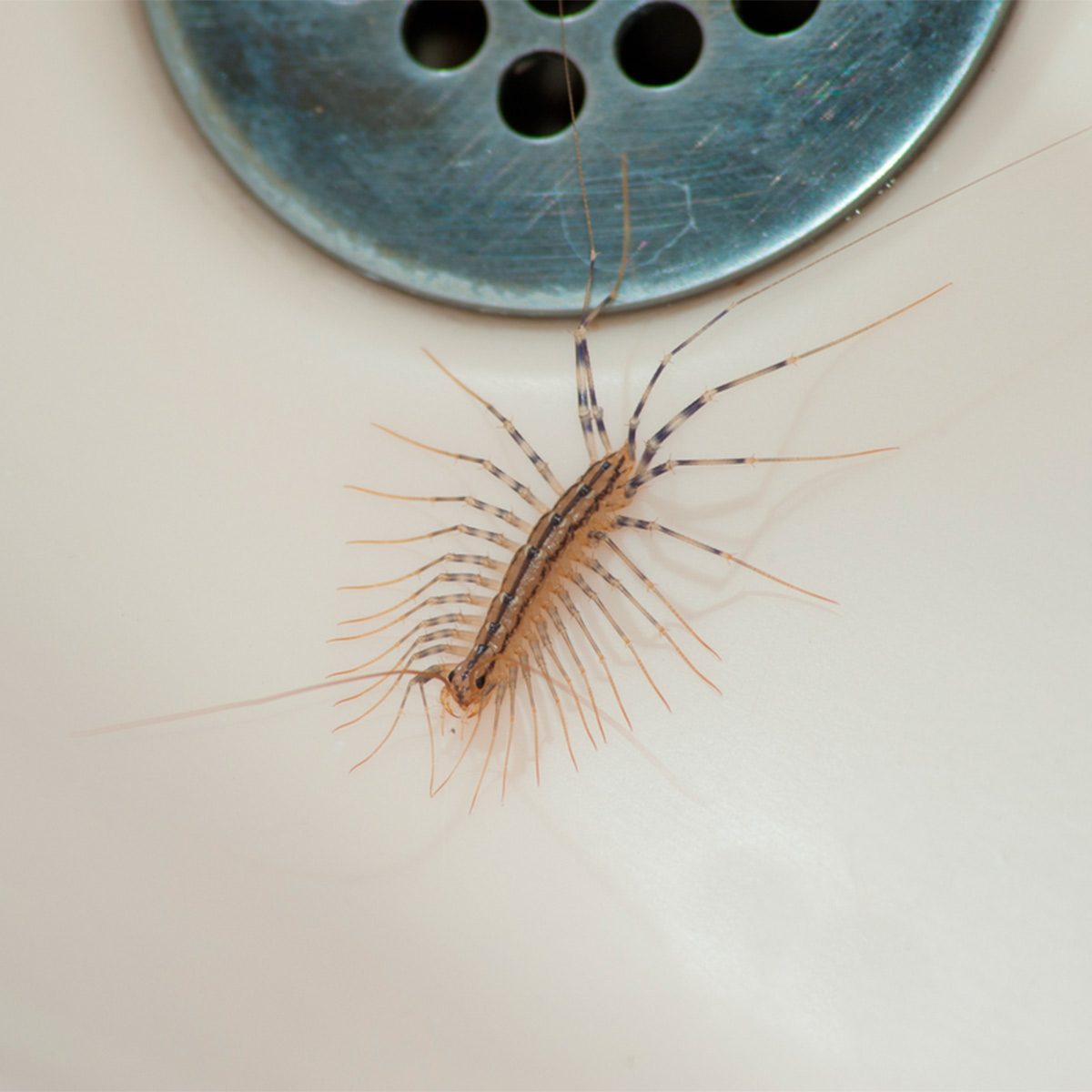
Centipedes bite by puncturing skin with clawed, pointy legs located on their first body segment. Read on to learn more about identifying and treating a centipede bite. Dear Dr. Willis, This common House Centipede is frequently found in the home where it startles residents. House Centipedes are harmless nocturnal predators that will help keep the home clear of cockroaches and other undesirable creatures. I switched from another pest control company due to high pressure sales/bad billing practices, and switched to Miche.
Allergic Reactions to Bites
Unlike moths, they won’t destroy clothing or furniture, and unlike ants, they won’t wreak havoc in your pantry. While their cousins, millipedes, are herbivores that feed on wood, the house centipede is a carnivore that feasts on other insects. They use their jaws to inject poison into prey, but it’s very unlikely for one to bite a human unless it was being handled roughly. If you did sustain a bite, it would feel like a mild bee sting. This venom is injected when they bite as a way to subdue their prey so they can eat it. The amount of venom used when a centipede bites is tiny, so it’s not likely to impact a human very much.
How to Repel and Control Centipede Infestations
They tend to live on the ground floor of homes and are more frequently seen in warmer areas. They are nocturnal, so they’re more likely to be seen at night than during the day. In this article, we discuss the possible symptoms and treatments of a centipede bite, as well as the outlook for a person who receives one. Although these crawling creatures can live indoors, and some people keep them as pets, centipedes don’t belong to homes.
Rare venomous centipede spotted in bathroom - and it's on the run - Bristol Live
Rare venomous centipede spotted in bathroom - and it's on the run.
Posted: Tue, 23 Jan 2024 08:00:00 GMT [source]
House centipedes typically do not try to bite humans because they don’t see humans as a food source. Most bites occur because the person was handling the centipede. As long as you don’t touch it, the centipede is not likely to attack you or try to bite you.
You wake up one morning and see broken skin and maybe some swelling on your arm. These common household pests love arms (and legs), and they are nocturnal. If you think a centipede snacked on your skin, read on to learn the steps you can take to care for the bite at home. House centipedes originated in the Mediterranean but have spread to be just about anywhere that is warm and humid. They tend to find their way into homes through small cracks that could let other insects in as well and will stay in a home as long as they have a food source.
They prefer warmer places that are wet and humid, as this keeps them closer to their food sources. If you have house centipedes, it typically means you have food for the centipedes in your home. They feed on many different insects, like bed bugs, roaches, silverfish, and wasps.
Excellent customer service, very effective pest treatments, competitive pricing. Some of the components include chemicals that occur naturally in the brain, such as serotonin and histamine. Researchers note that these chemicals do not typically cause neurological effects in humans.
House centipedes are sensitive to light and tend to seek shelter during daylight hours, adding to the challenge of spotting them in your home. If you’re like most people, you’ll be able to care for a centipede bite at home, and you won’t have to get a medical professional involved. But if you have a health condition that calls for you to be cautious, an infected bite, or an allergic reaction, you should continue to closely monitor the bite. You may also want to have small children with centipede bites looked at by a doctor. In most cases, the symptoms of your centipede bite will go away within 48 hours. If you notice that your bite isn’t getting any better, or that you’ve had an allergic reaction, you should seek out medical attention.
Though you are not likely to experience much pain, centipede bites are recognizable from the following common symptoms. Though technically centipedes do bite, they generally don’t bite humans and steer clear of them unless provoked or handled roughly. If you’ve spotted a long brown bug with hundreds of thin legs shooting out its body in all directions, you’re most likely looking at a centipede. However, despite their creepy, scary appearance, house centipedes are not always scary and dangerous.
The martini glass method ensures that both the House Centipede and the Bug Humanitarian (yes you were tagged because of your question) will remain safe. House centipedes are fascinating creatures often found in homes and other indoor spaces. People rarely report any serious symptoms from a centipede bite.


No comments:
Post a Comment