Table Of Content
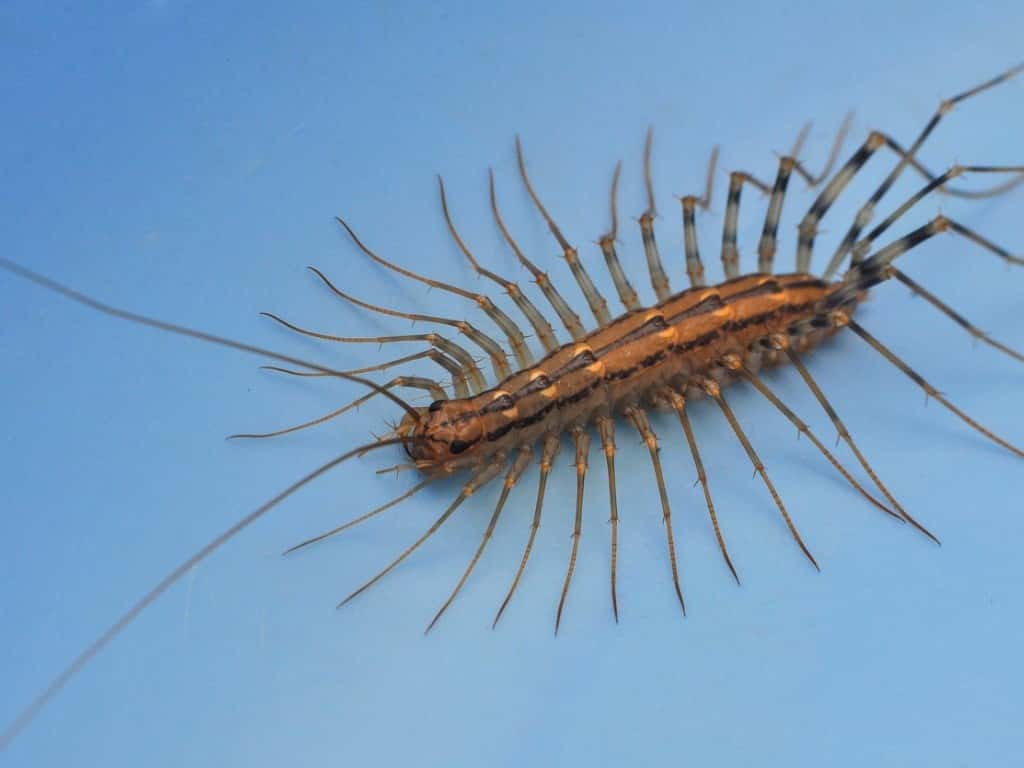
Meanwhile, venomous insects will inject their poison into the bloodstream. House centipedes are one of the creepiest insects you can encounter! Their worm-like appearance is made even more unsettling with about 15 pairs of undulating legs! To top it all off, these insects are fast movers that can quickly duck out of sight just as fast as they appeared.
What Are the Most Common Spiders in Washington State?
Females of Scutigera have been known to produced 35 eggs over a period of days. Centipedes prefer dark, damp places and wet climates, although they can survive in deserts and other dry areas. Hi PHil, We do not recommend ridding your home of House Centipedes. They are harmless predators that will eat more destructive and harmful arthropods in your home. The toxic liquid can sometimes cause a local color change of the skin.
PEST PRO
You may find them under your sink or in the bathtub occasionally, as those spots combine the damp and dark conditions they love so much. They tend to be fairly dormant in the winter (they prefer temperate climates) and begin to be more active in spring. Once temperatures begin to get colder in autumn they may want to find an indoor hiding place. This means eliminating roaches, silverfish, flies, moths and the other tasty insects that house centipedes love to snack on.
What are the symptoms of a centipede bite?
In rare cases when the symptoms aggravate, your doctor may prescribe antibiotics or give you tetanus shots. They are equipped with venomous claws to catch their prey which can potentially harm humans if bitten. Centipedes are sometimes called house centipedes or "hundred-leggers" because of their many pairs of legs. They are widely distributed throughout most of United States and the world. Centipedes are rarely seen by humans due to their nocturnal activity and the speed in which they move. Most centipedes live for more than a year and some up to six years.
Super rare and venomous centipede found in home of University of Leicester professor - Leicestershire Live
Super rare and venomous centipede found in home of University of Leicester professor.
Posted: Mon, 22 Jan 2024 08:00:00 GMT [source]
Centipedes are great at finding hiding spaces, attracted to the dark and damp spots such as a pile of wet towels or hard-to-get-to crawl spaces in the attic. If there are enough of these hospitable environments, plus other pests as a plentiful food source, you can quickly find yourself with a centipede infestation. If handled roughly, some larger species can inflict a painful bite that can break human skin and cause pain and swelling, similar to a bee sting. The large Scolopendra can inflict a very painful bite and should be handled with great care. In my experience, bites from these creatures are exceedingly rare. House centipedes are naturally timid and, thanks to their small jaws, have difficulty penetrating human skin.
What complications can occur from a centipede bite?
The house centipede, also known as Scutigera coleoptrata, is a species of centipede with up to 15 pairs of lengthy legs and a typical coloration of yellowish-gray. They belong to the genus Scutigera and originated in the Mediterranean region. Symptoms of a giant desert centipede bite include intense pain, inflammation, redness, and swelling. They also don’t harm your furniture or walls, unlike some other pests.
They enter homes to look for other types of insects that can typically be found in homes. The house centipedes are not going to damage your home like other pests might. They do not nest, which means they won’t build any nest inside your home or damage parts of your home to create the nest. They do not create webs like spiders or infest an area like many types of insects will.
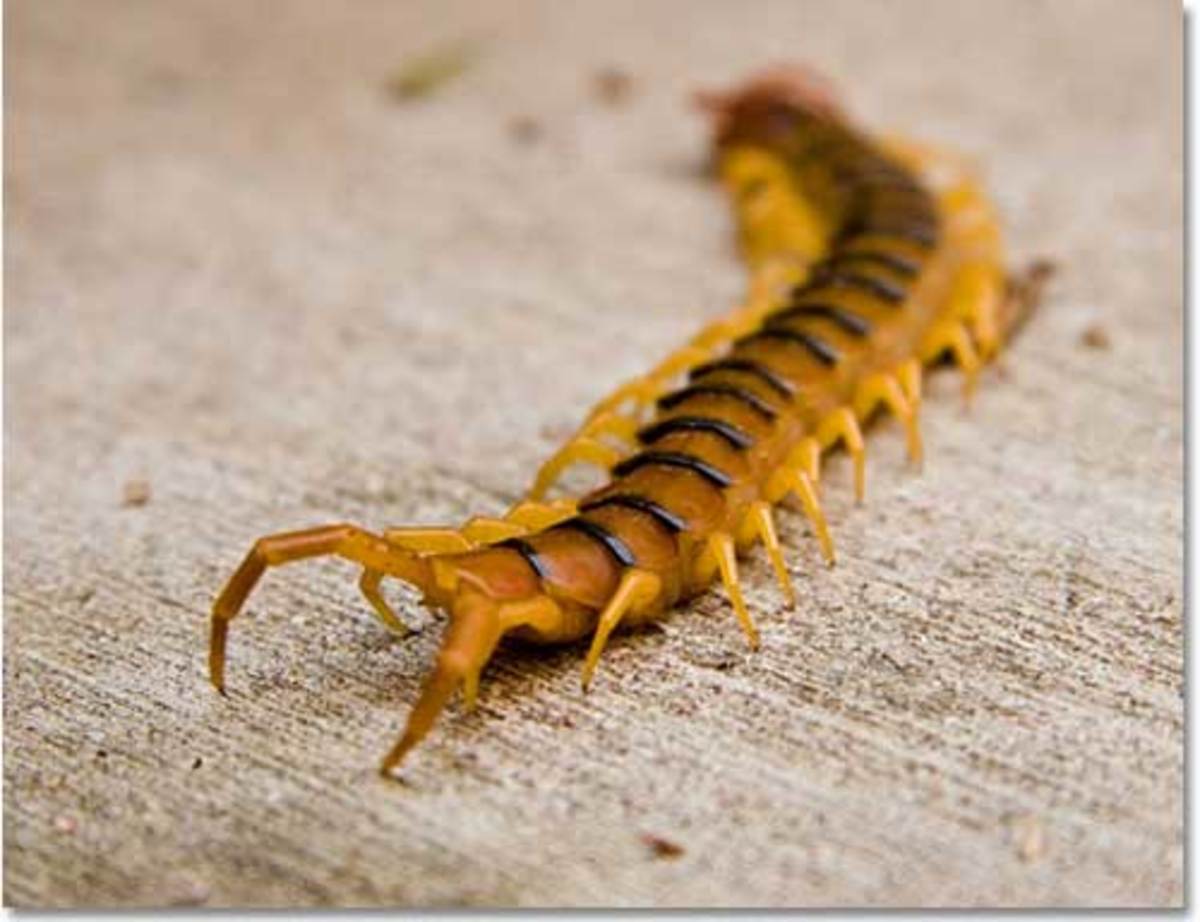
What to Do If Bitten by a House Centipede
Forcipules are located just behind the centipede’s head and function as venomous appendages used to capture and immobilize prey. Understanding where house centipedes prefer to settle is crucial in managing them. These arthropods are believed to have originated in the Mediterranean, but they’ve now made homes in various parts of the United States. While they thrive in warm, tropical, and humid climates, house centipedes are remarkably adaptable and can survive in a wide range of environments. Centipedes will try to run away when you corner them, and some experts say that they don’t typically bite humans. But if you find a trail of pricks on your skin, it’s likely a “ bite” in the form of punctures made by the venomous forelegs as they scratch against your skin.
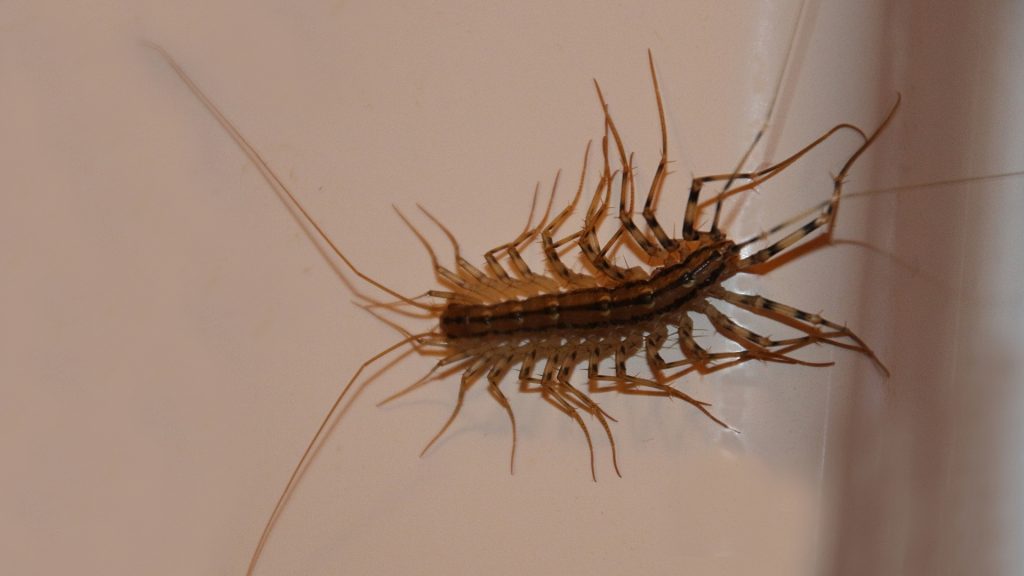
What Happens if a House Centipede Bites You?
Pain, redness, and swelling begin immediately upon being bitten. These symptoms may last anywhere from several hours to several days. Centipedes can range in size from under 1 inch to 7 inches long. Centipedes can have as few as 15 pairs of legs or as many as 177. Remove leaves and weeds and seal cracks to prevent any seepage of moisture into your home.
House centipedes do not survive winters outdoors in Pennsylvania, but readily reproduce in heated structures. During the summer, they can sometimes be found outdoors in areas near buildings. Stings are most common on the hands and feet, the latter because centipedes like to hide in shoes. You’ll also get stung if you accidentally step on one while barefoot. Therefore, even though these creatures can bite, the chances of them biting through clothes are quite low.
While lethal to insects, the venom is nothing more than an irritant to us. The centipede catches them by surprise and quickly injects its venom to incapacitate them. While the centipede’s bite is more than enough to subdue most prey, the toxins make them an apex predator in the insect world. House centipedes are some of the most intelligent insect predators around.
House centipedes are attracted to damp, wet and moist areas. They can’t sustain and survive for long in hot places, and they can’t retain moisture like other insects. That is why they seek out humid areas like your kitchen, basement, or bathrooms. Some of their common prey are earthworms, spiders, ants, bedbugs, and flies. If you keep your external lights or yard lights switched on throughout the night, it can attract bugs, which in turn attracts centipedes.


No comments:
Post a Comment